

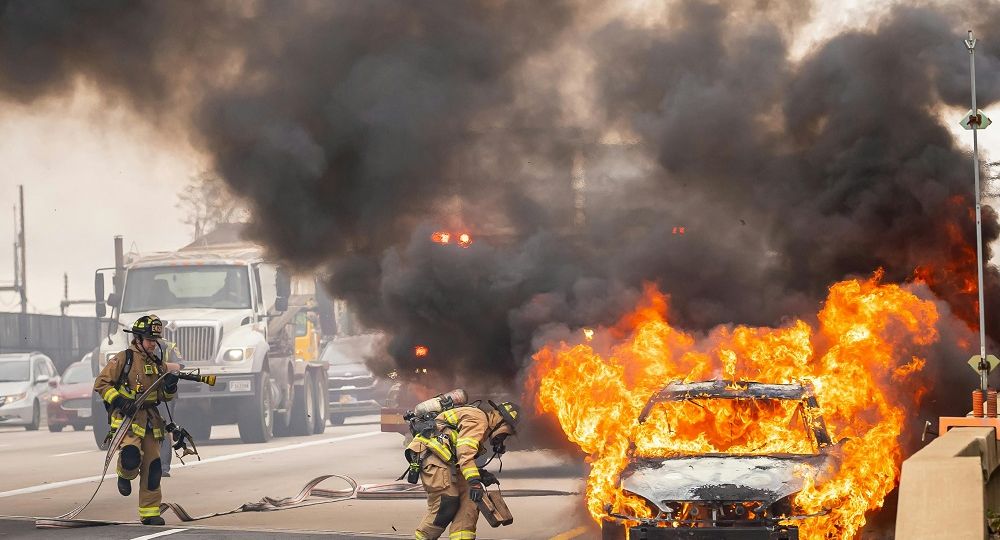
Car fires can be caused by a variety of mechanical, electrical, and human factors, and prevention largely comes down to maintenance, safe driving, and awareness. Contrary to the dramatic Hollywood explosions, most fires start quietly, with small problems that go unnoticed until it’s too late. Let’s pop the hood on the most common culprits.
First up, fuel and fluid leaks. Think of gasoline, diesel, engine oil, transmission fluid, brake fluid, and even coolant as potential fire starters waiting for the right spark — or hot surface to set them off. Damaged hoses, loose clamps, tired seals, or gaskets well past their prime are often to blame. A few drips here and there might not seem like much… until they ignite.
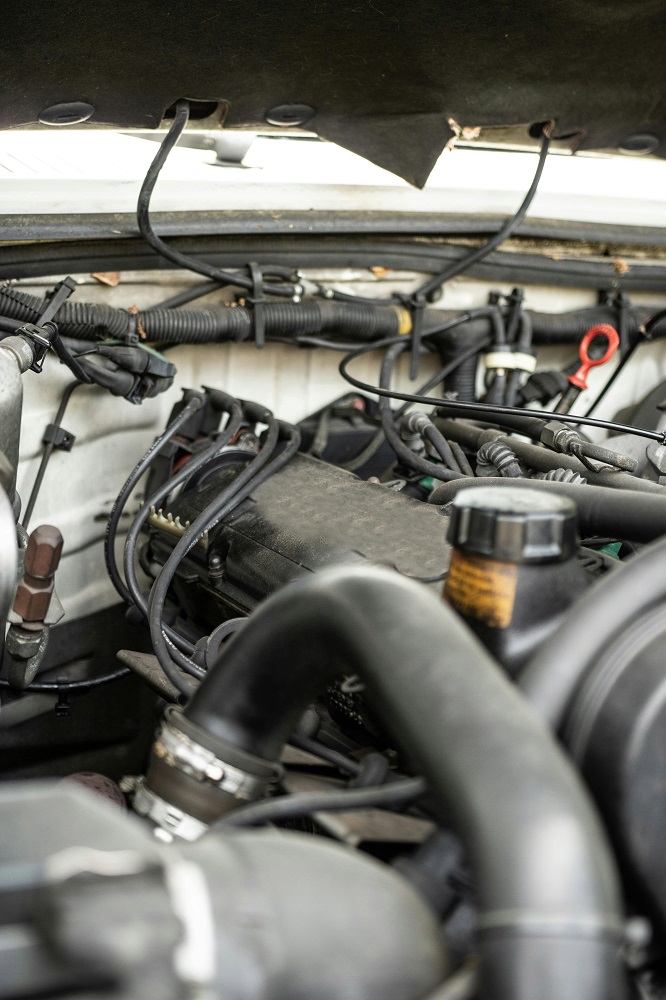
Then there’s the electrifying danger of faulty wiring. Short circuits, frayed cables, and failing fuses can generate enough heat to start trouble. Add in aftermarket modifications, dodgy repairs, or the handiwork of a hungry rodent chewing through insulation, and you’ve got a recipe for disaster.
An overheating engine is another silent saboteur. Whether caused by a cooling system failure, low coolant, a busted water pump, or a radiator choked with debris, excessive heat can make flammable fluids flare up and melt plastic or rubber components – A perfect kindling for a fire.
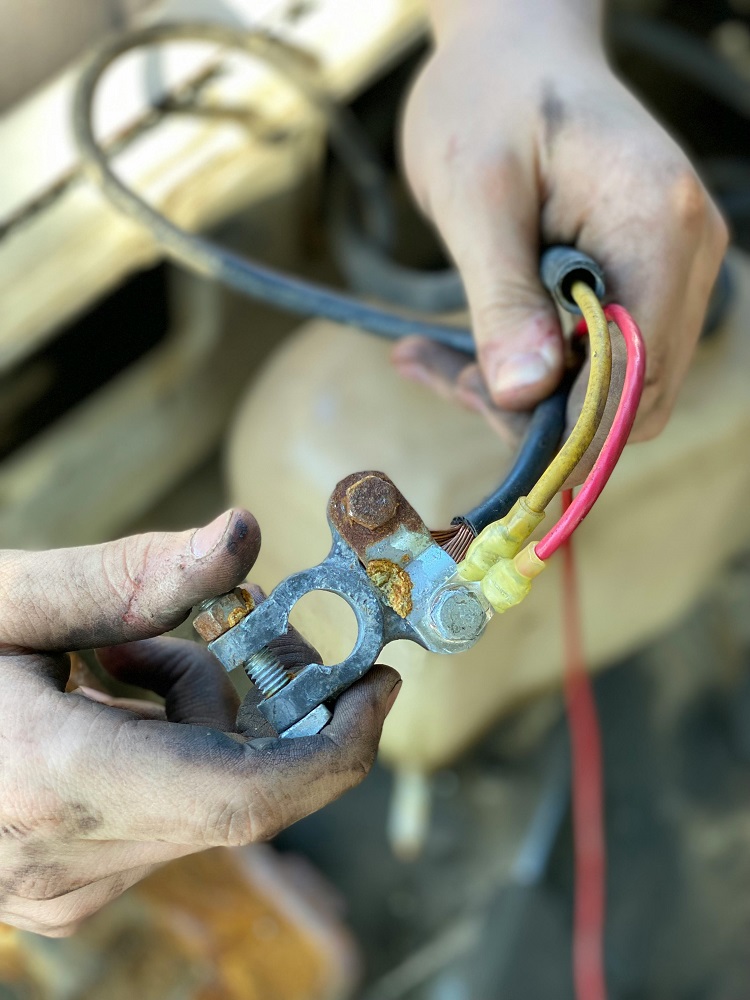
And don’t underestimate your battery. Both lead-acid and lithium-ion types can overheat, leak acid, or in extreme cases, explode. Overcharging, poor connections, or physical damage can push them over the edge.
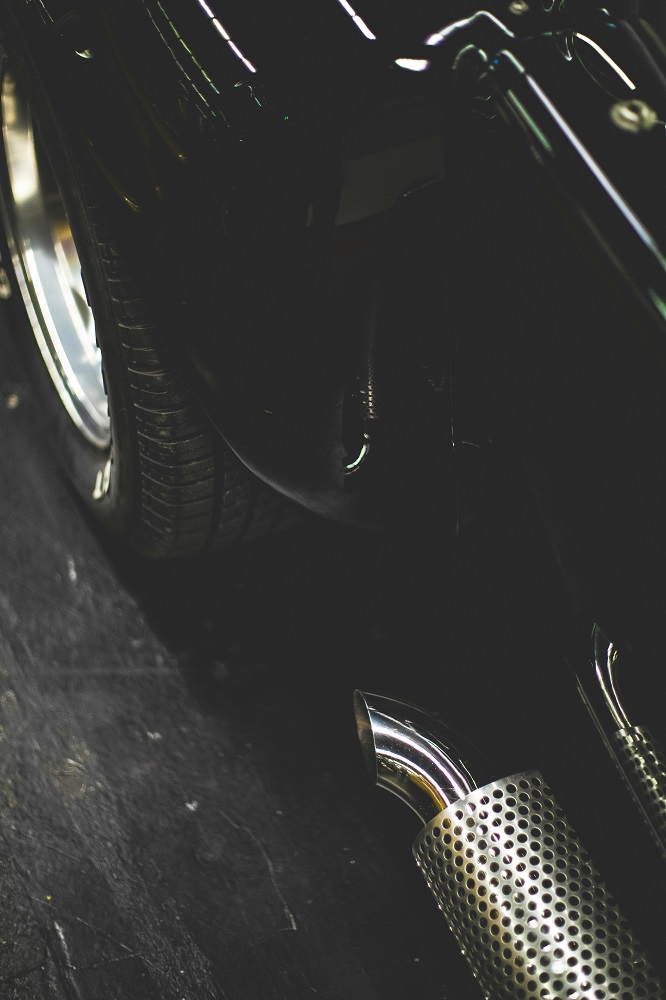
Meanwhile, your exhaust system is practically a campfire under your car. The manifold, catalytic converter, and muffler get scorching hot — hot enough to ignite oil drips, trapped debris, or anything that lands on them if heat shields are missing or damaged.
Finally, there’s the slow burn of poor maintenance. Skip a few services, throw in the wrong parts, or take the “YouTube mechanic” approach, and you could be inviting leaks, wiring failures, and all sorts of hazards.
Car fires rarely happen out of nowhere. They give off warning signs — strange smells, smoke wisps, warning lights, or odd noises. Catch them early and fix them properly. Keep a small automotive-rated extinguisher in the car, and be familiar with the procedures to use it in the event of an emergency.
-> PARTS BY CATEGORY or Search Parts via keywords.
