Japanese cars aren’t just popular for reliability and practicality—they’ve become cultural icons. From movies and anime to video games and motorsport, Japanese cars carry a cool factor that has deeply shaped their global image in popular culture.
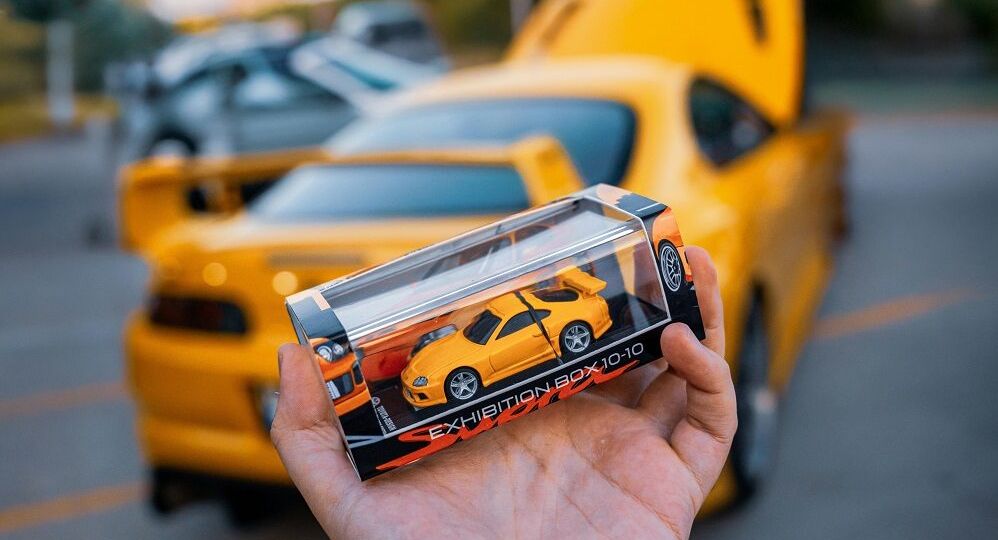
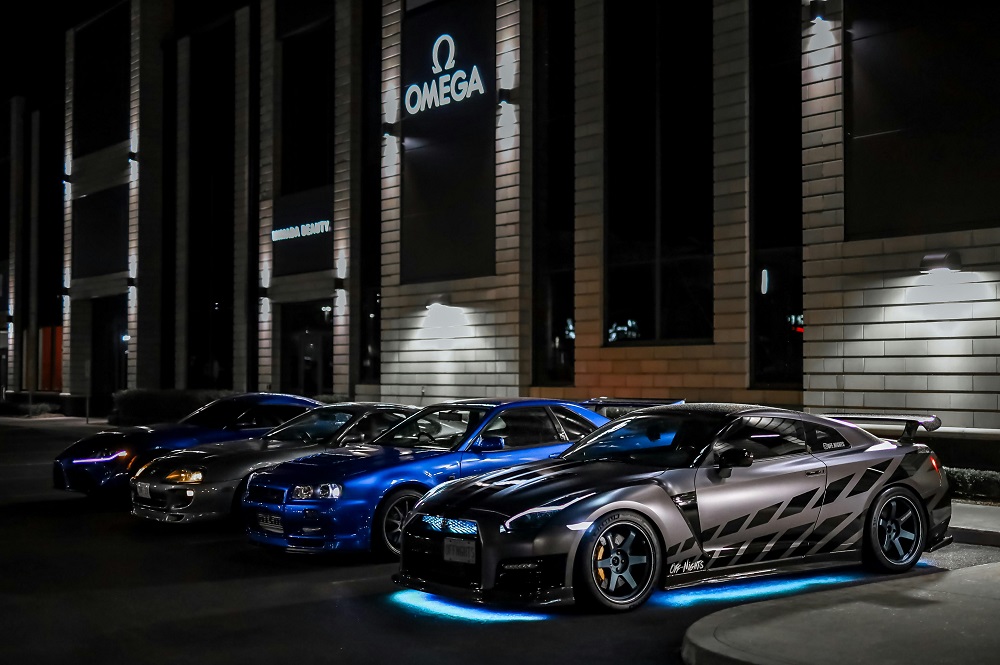
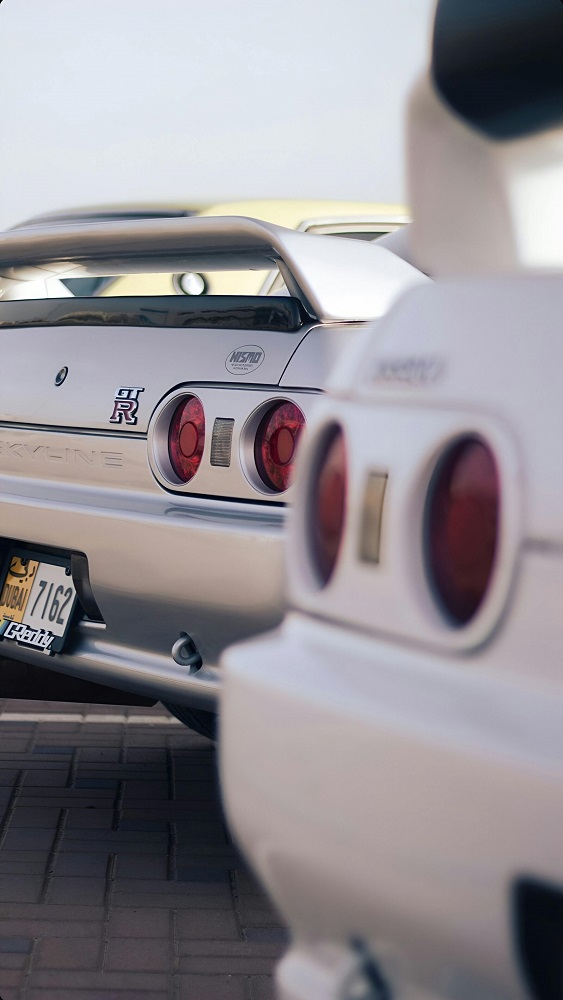
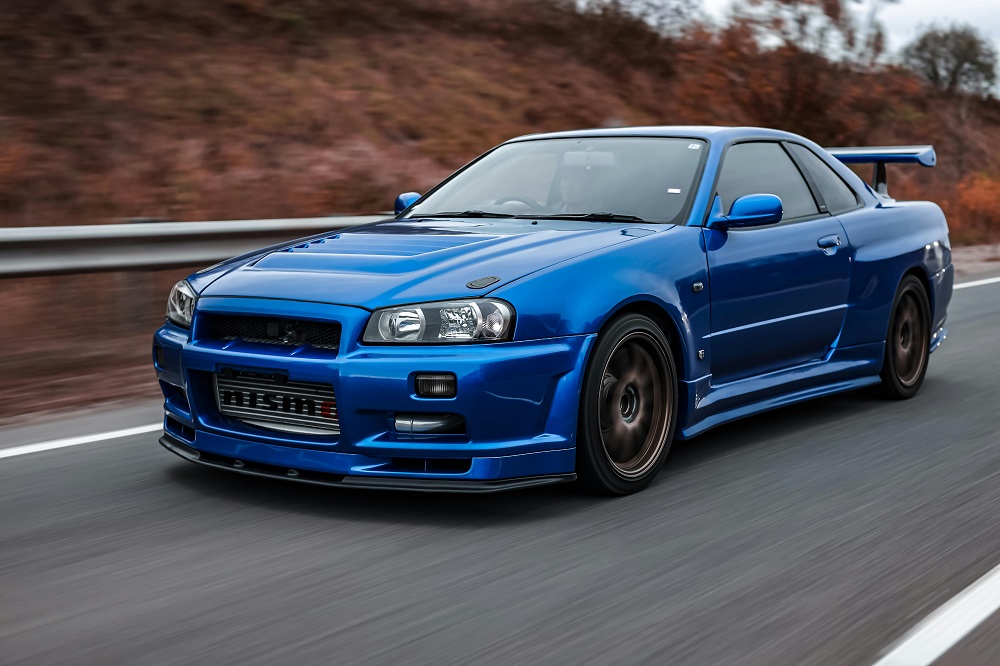
The Fast & Furious franchise (starting in 2001) turned cars like the Toyota Supra MK4, Nissan Skyline GT-R, and Mitsubishi Lancer Evolution into legends more than ever before. The films glorified Japanese “tuner culture”— turbocharged imports, neon underglow, drifting, and street racing. For many enthusiasts, their first exposure to Japanese cars was through this Hollywood lens.
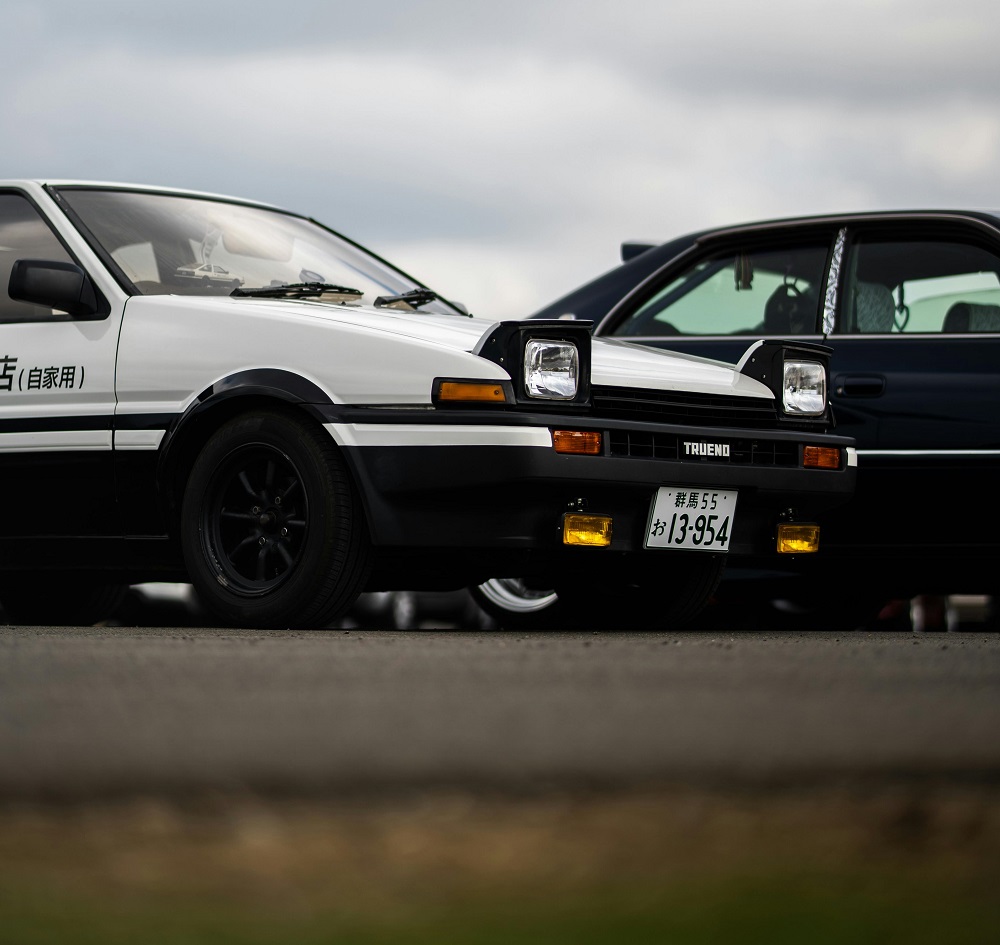
Anime & Manga series like Initial D made cars like the Toyota AE86 Trueno globally famous, with Initial D even made into a movie in Southeast Asia, starring the biggest pop singer that time. The show captured the thrill of drifting mountain roads, and the AE86 became a cult icon—still beloved decades later. Other anime such Wangan Midnight also spotlighted Japanese sports cars, cementing their status as symbols of youthful rebellion and freedom.
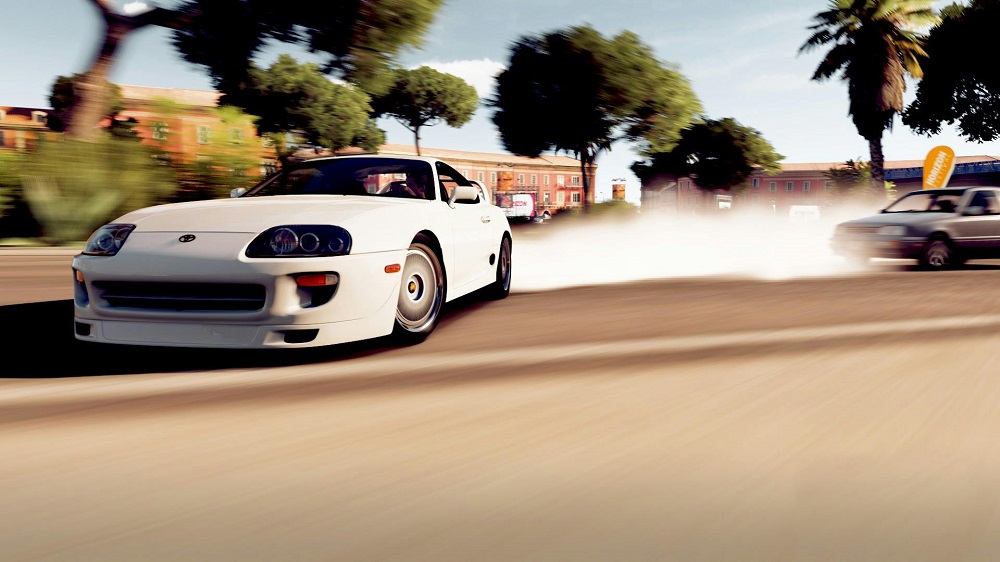
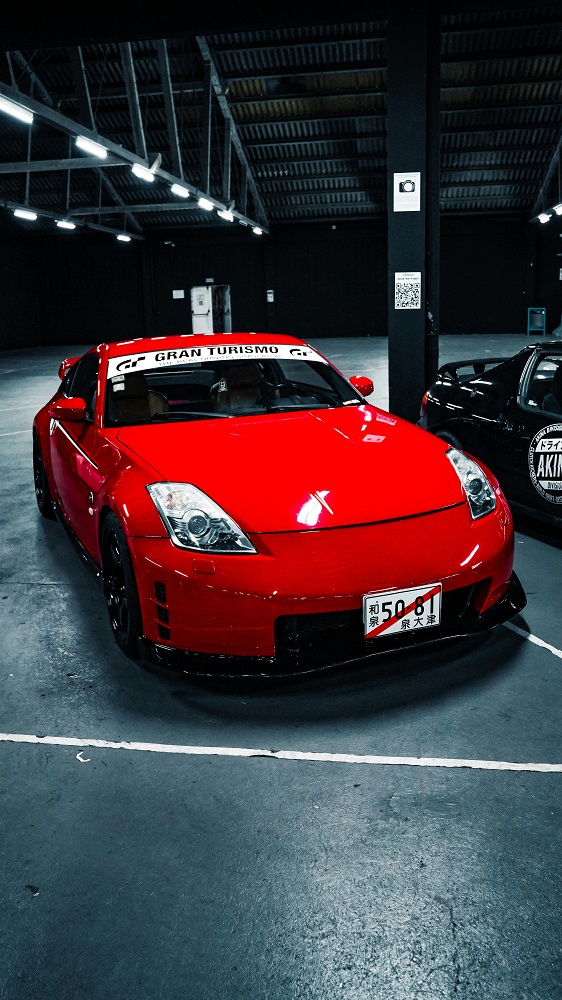
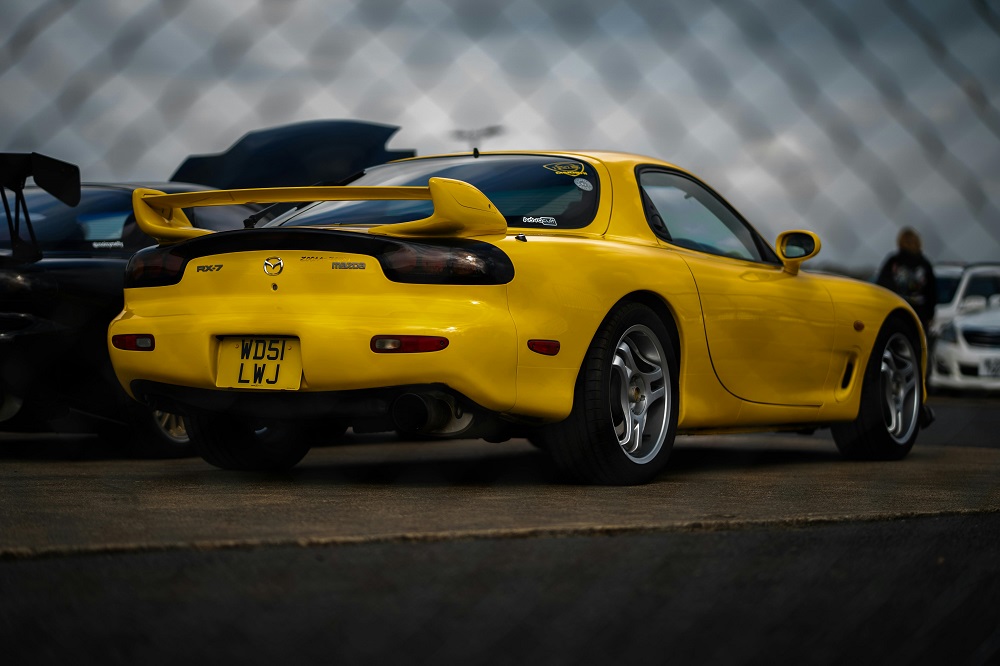
Racing video games like Gran Turismo, Need for Speed: Underground, and Forza Horizon introduced entire generations to Japanese performance cars. Gamers could virtually drive and customize Skylines, Supras, RX-7s, Evos, and WRXs long before they could afford the real thing—fueling global demand for these models.
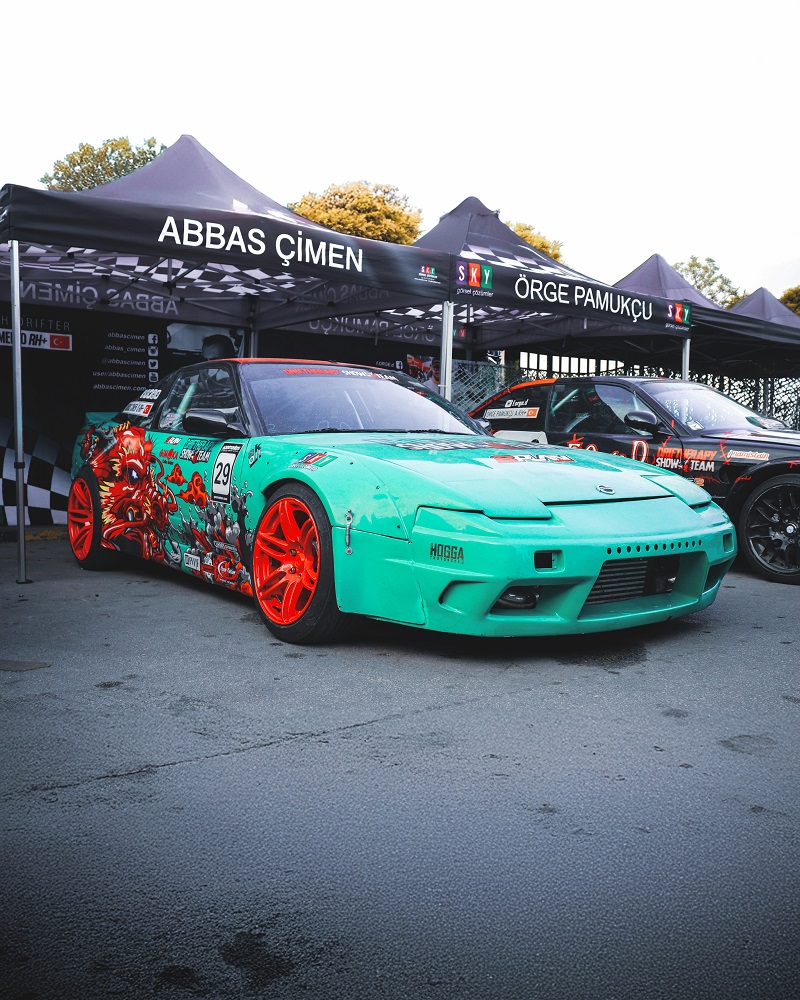
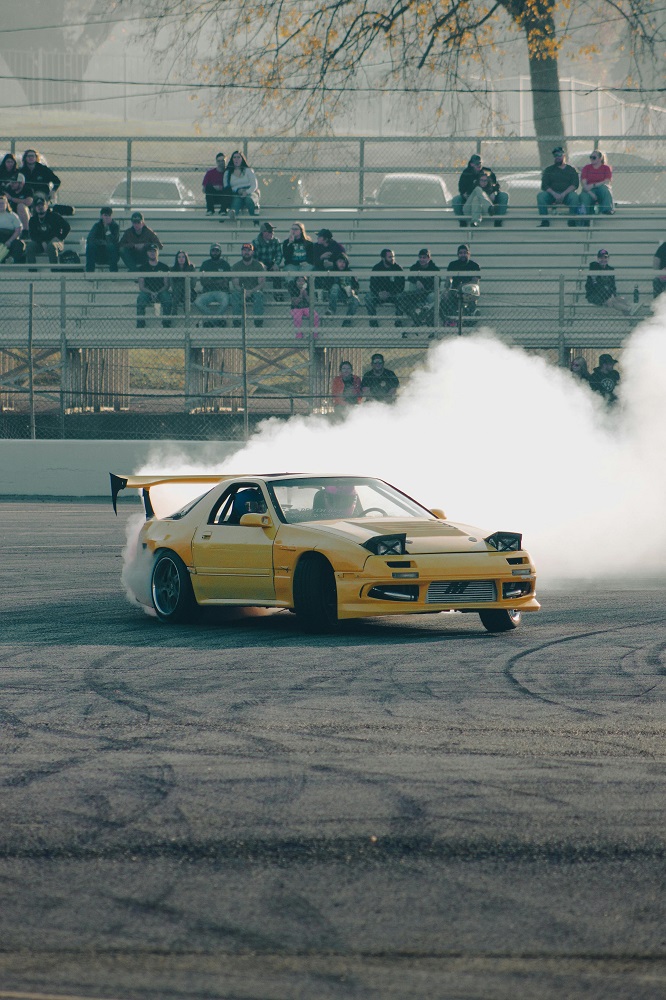
And Japan being the birthplace of drifting, pioneered in the mountains (“touge”) and professionalized with D1 Grand Prix, propelled this motorsport with a stylish slant, spreading worldwide with Japanese cars (Silvia, 180SX, Chaser) at the heart of the culture. Street racing lore, often romanticized in films and games, made Japanese cars synonymous with customization, speed, and individuality.
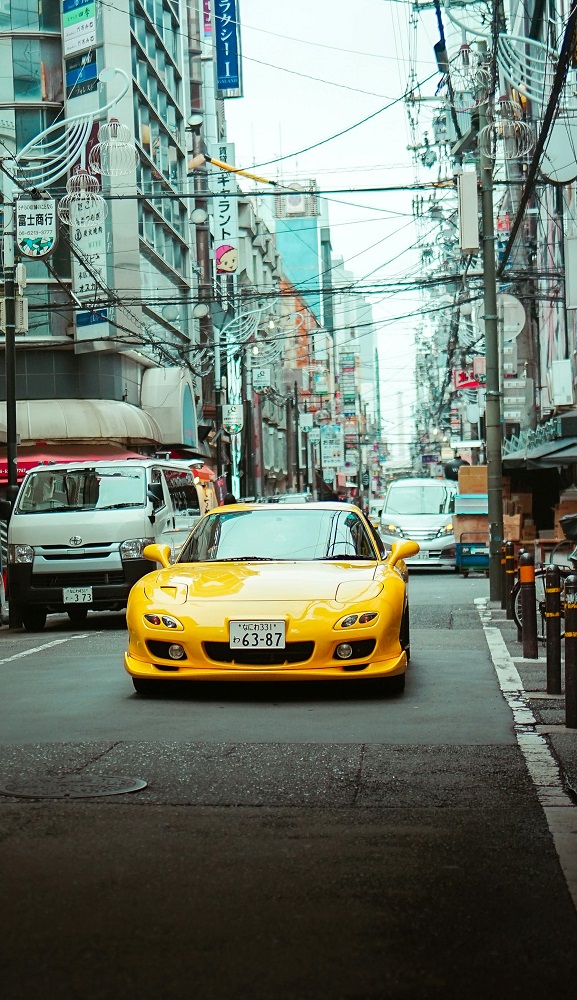
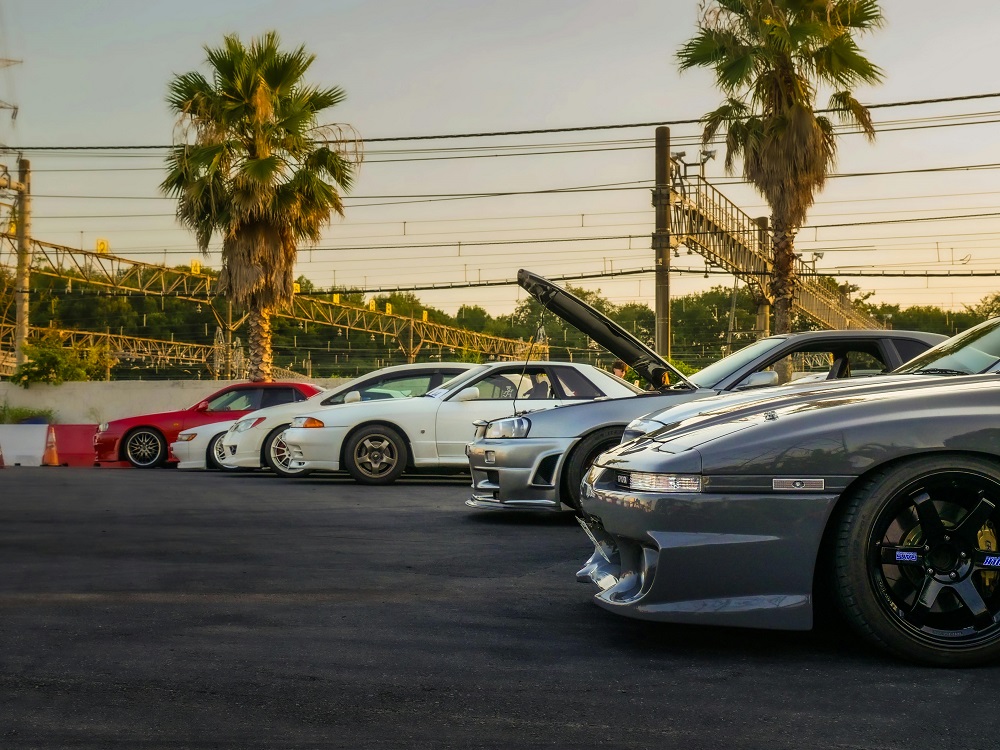
“JDM” (Japanese Domestic Market) became more than a car term—it’s now a global lifestyle movement. Owning a JDM import (like a right-hand-drive Skyline or Integra Type R) gives enthusiasts a sense of authenticity and exclusivity. Stickers, apparel, and car meets around the world celebrate this identity.
Celebrities like Paul Walker, Jay Leno, and even modern influencers have championed Japanese classics, raising their profile. Social media amplifies this further—Instagram and TikTok are filled with builds, drifting clips, and nostalgic nods to ‘90s Japanese cars.